


What is Next.js?
Next.js is a React framework for building full-stack web applications. React gives you components, and Next.js adds routing, server rendering, data fetching and a build setup around them. Vercel maintains it, and it was first released in 2016. React's own docs list Next.js among the frameworks they recommend for new apps.
In the App Router, folders inside app become URL segments, and a page.js file makes that route public. Pages are React Server Components by default, so they can be async and fetch data before any HTML reaches the browser. This file renders a page for every post at /blog/[slug], with getPost standing in for your own data function:
// app/blog/[slug]/page.js
export default async function Page({ params }) {
  const { slug } = await params;
  const post = await getPost(slug);
  return <h1>{post.title}</h1>;
}
Why learn Next.js?
Next.js teaches you where code runs. A Server Component can query a database or use an API key without sending that code to the browser, and you add 'use client' to the top of a file only when a component needs state, event handlers or browser APIs like localStorage. Working out that boundary is a big part of full-stack React, and Next.js has you decide it file by file.
Get comfortable with React before you start. Next.js adds its own ideas on top, like layouts, caching rules and the server and client split, and its error messages are harder to follow when you're unsure which parts are React and which are Next.js. Once React feels familiar, building one small multi-page site is a good way to meet those ideas one at a time.
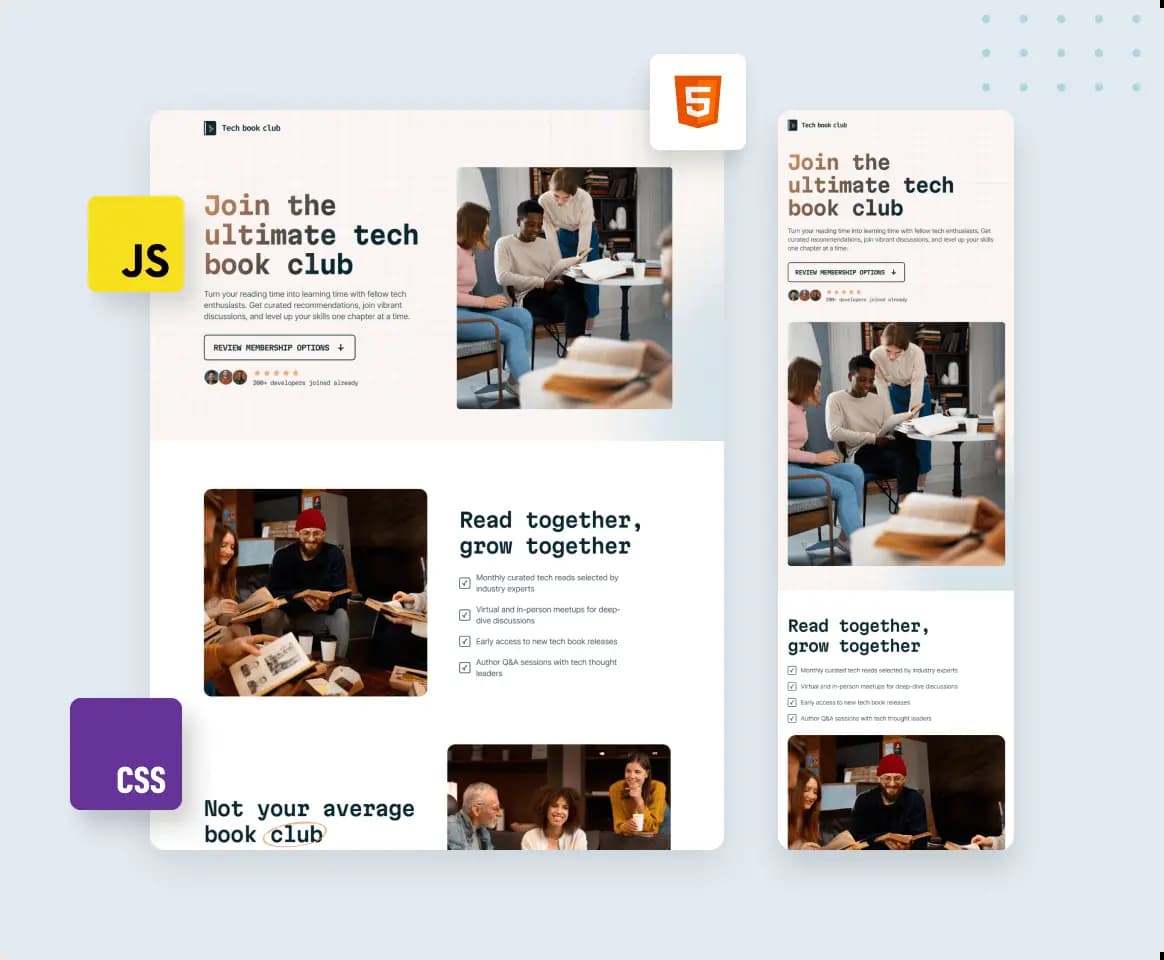
Practice Next.js on Frontend Mentor
The stack is your choice on every Frontend Mentor challenge, and the multi-page and data-driven ones get the most out of Next.js's routing and server rendering.
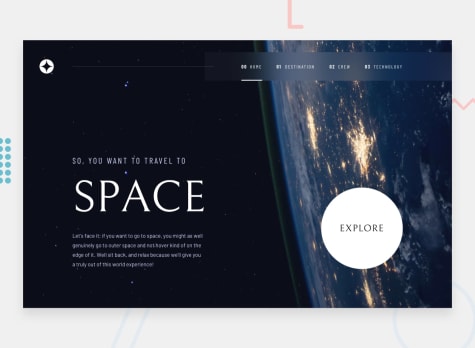
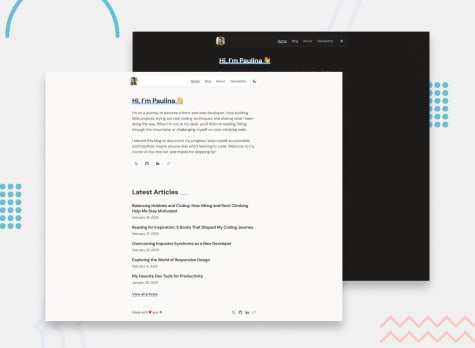
Space tourism multi-page website has four pages with tabbed content, a clean introduction to folders as routes and a shared layout for the navigation. Personal blog turns each article in the provided data.json into its own page through one dynamic [slug] route. RSS feed reader goes further. Many feeds block requests from browser code on other sites, so fetching and parsing them in Server Components or Route Handlers is the practical approach, and the brief recommends a full-stack build with accounts.
Take your Next.js skills further
Want a more structured approach? This learning path takes you through its challenges in order, from first principles to real-world projects.
JavaScript frameworks and libraries
Using a JavaScript framework can provide many benefits. In this path, we outline core concepts and provide a sequence of challenges to help you reinforce knowledge and gain hands-on experience with your chosen framework.
Challenges to practice Next.js with
Every challenge works with any tech stack. These are good ones to build with Next.js, from easiest to hardest.
- Free+
Space tourism multi-page website
- HTML
- CSS
- JS
intermediateThis project is a fun collaboration with Scrimba and Kevin Powell! If you like, you can follow along and watch Kevin complete the project on Scrimba. Lots to learn!
- Premium
Personal blog
- HTML
- CSS
- JS
intermediateThis multi-page personal blog project has a JSON file to practice working with dynamic data. You can even use a headless CMS to take the difficulty up a notch!
- Premium
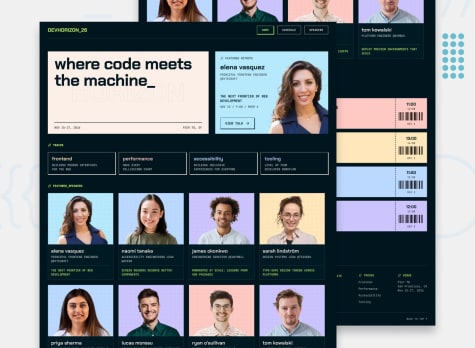
Tech conference site
- HTML
- CSS
- JS
intermediateBuild a multi-page site for a tech conference. Browse the speakers, filter the schedule by day and track, and save talks. Optional bonus: pull the content from a CMS.
- Free
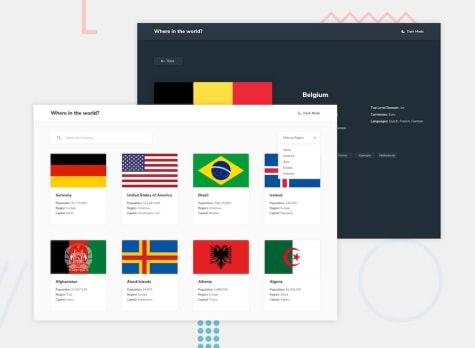
REST Countries API with color theme switcher
- HTML
- CSS
- JS
- API
advancedBuild a countries app with search, filtering, detail pages, and a light/dark theme using any JS framework. Country data is provided as JSON.
- Free
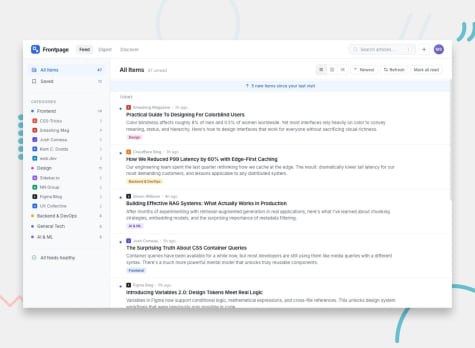
RSS feed reader
- HTML
- CSS
- JS
advancedBuild an RSS feed reader that lets users subscribe to blogs and news sources, organize feeds into categories, and browse articles in a unified timeline.
- Premium
Audiophile e-commerce website
- HTML
- CSS
- JS
guruThis huge e-commerce challenge will provide an incredible test for your front-end skills. Once you're done, you'll have an amazing project to add to your portfolio!

Solutions made with Next.js
Art gallery website
#accessibility#next#react#typescript#tailwind-cssLVL 5Submitted about 17 hours agoResponsive website using Next.js, Tailwind, TypeScript, Zustand
#next#typescript#tailwind-css#zustand#react-hook-formLVL 4PSubmitted 1 day agoConference Ticket Generator | Next.js + TypeScript + Tailwind CSS
#react#typescript#tailwind-css#nextLVL 1Submitted 2 days ago


Related technologies
What is React?
React is a JavaScript library, created at Facebook, for building user interfaces from components. You write them in JSX, and React keeps the page in sync.
What is TypeScript?
TypeScript is JavaScript with syntax for types, made by Microsoft. It checks your code before it runs and compiles to plain JavaScript for any browser.
What is Node.js?
Node.js is a JavaScript runtime built on Chrome's V8 engine. It runs JavaScript outside the browser, so you can write servers, APIs and command-line tools.
Join 1,204,964 people building portfolio-worthy projects
Our highly supportive, positive community is here to help you improve your skills. We all try to help each other out wherever possible. We’d love to welcome you to our community!
Log in with GitHub